Summary Pakistan recorded the world’s highest average PM2.5 pollution in 2025 at 67.3 micrograms per cubic metre, more than 13 times the WHO annual guideline.
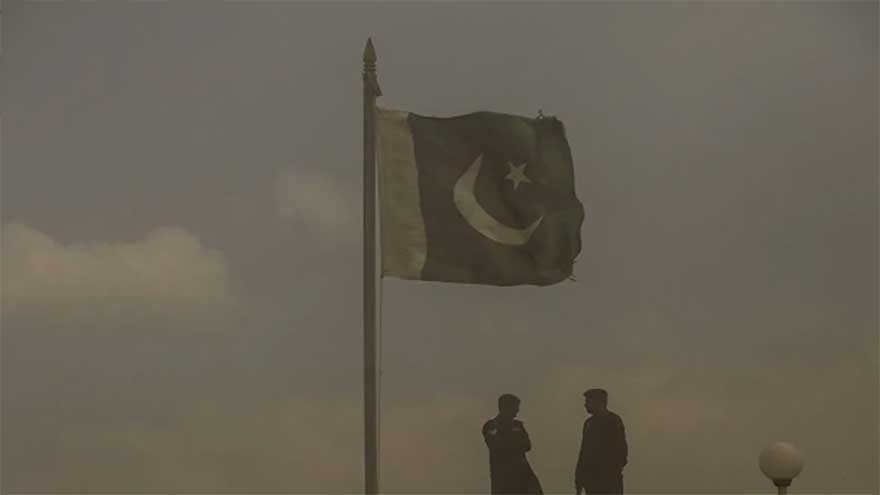
ISLAMABAD (Web Desk) - Pakistan was ranked the world’s most polluted country in 2025 on the basis of annual average PM2.5 concentrations, according to Swiss air-quality technology company IQAir’s latest World Air Quality Report.
The report recorded Pakistan’s annual average PM2.5 concentration at 67.3 micrograms per cubic metre (µg/m³), placing it first among 143 countries and territories covered by the assessment. IQAir says this was around 13.5 times the World Health Organization’s annual PM2.5 guideline.
The WHO recommends an annual average PM2.5 concentration of 5 µg/m³ or lower. PM2.5 refers to fine particulate matter measuring 2.5 micrometres or less in diameter, which can penetrate deep into the respiratory system.
Pakistan’s average nevertheless improved from 73.7 µg/m³ in 2024 to 67.3 µg/m³ in 2025, IQAir data showed. Despite that reduction, the country remained at the top of the 2025 pollution ranking.
Bangladesh was ranked second with an annual PM2.5 average of 66.1 µg/m³, followed by Tajikistan at 57.3, Chad at 53.6 and the Democratic Republic of the Congo at 50.2 µg/m³. India ranked sixth.
The findings also highlighted the scale of the global air-quality problem. Of the 143 countries and territories covered, 130 — about 91 per cent — exceeded the WHO annual PM2.5 guideline. Only 14pc of cities assessed worldwide met the guideline.
Only 13 countries and territories met WHO guideline
IQAir said only 13 countries and territories achieved an annual PM2.5 average at or below the WHO guideline in 2025.
They were Australia, Iceland, Estonia, Panama, Grenada, Andorra, Bermuda, Barbados, French Polynesia, Puerto Rico, the US Virgin Islands, New Caledonia and Réunion.
The report also showed considerable differences in air-quality trends worldwide. Annual average PM2.5 concentrations declined in 75 countries during 2025, increased in 54 and remained unchanged in two, while 12 were newly represented in the dataset.
Pakistan’s major urban centres continue to face particularly severe pollution challenges. IQAir recorded Lahore’s 2025 annual PM2.5 average at 88.9 µg/m³, down from 102.1 µg/m³ in 2024.
Air pollution has important public-health implications. The WHO says exposure to air pollutants increases the risk of cardiovascular and respiratory diseases, stroke and lung cancer. The 2025 findings underline that while Pakistan’s annual PM2.5 level declined compared with the previous year, its average remained substantially above the WHO guideline and the highest among the countries and territories covered by IQAir’s report.