Summary Proposals have been prepared for a new local tax in Islamabad if the capital is made an autonomous unit, with revenue to fund services and administration.
ISLAMABAD (Dunya News) – Proposals have been prepared to introduce a new local tax in Islamabad if the federal capital is made an autonomous unit, with the revenue generated to be spent on basic facilities and the administrative structure within the city, according to sources.
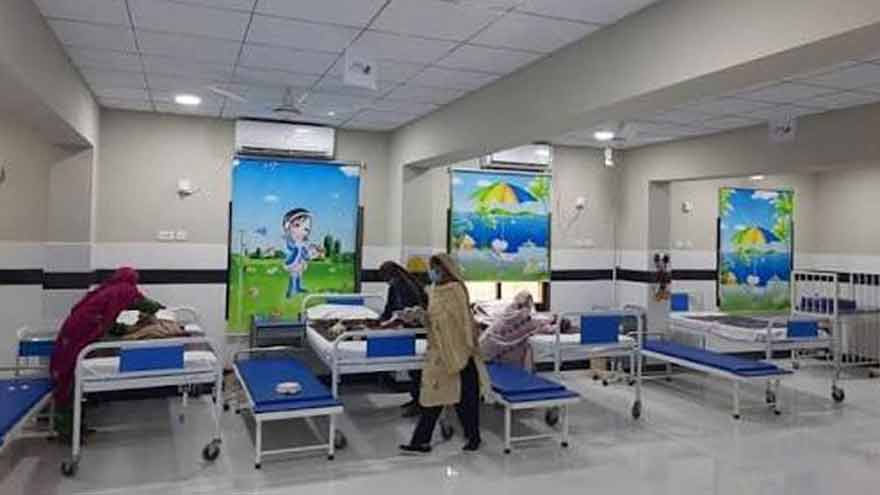
Sources said the initial proposals envisage collecting taxes to fund hospitals, schools, colleges and other educational institutions, welfare activities and the administrative structure in Islamabad. The proposals are expected to be discussed with the International Monetary Fund (IMF) delegation during the upcoming economic review, while the new tax could be introduced in the budget for the next fiscal year.
A final estimate of the amount to be collected has not yet been prepared. Sources said the proposed tax would be aimed at creating fiscal space for Islamabad while taking into account the city’s infrastructure requirements.
The fifth review under Pakistan’s Extended Fund Facility (EFF) is expected to be discussed with the IMF during the upcoming round of talks. IMF programme documents also list the fifth review among the programme milestones.
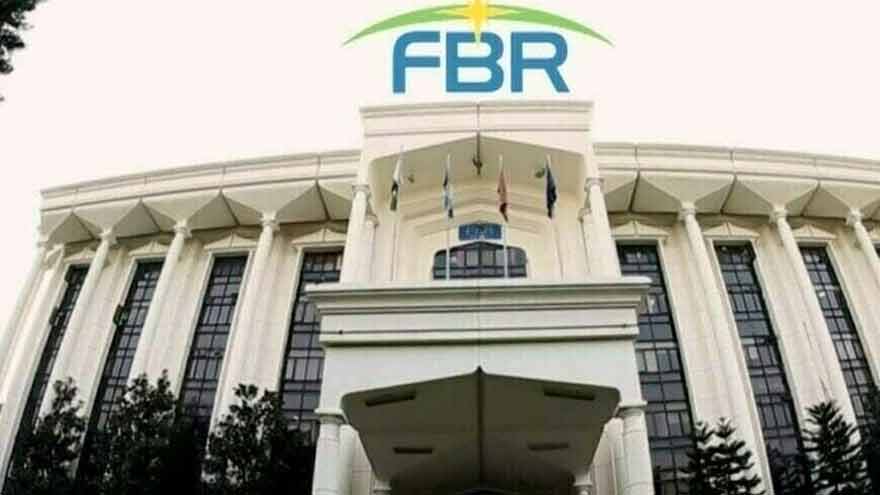
According to sources, the Federal Board of Revenue (FBR) will initially prepare the tax proposals. These will then be submitted to the subcommittee constituted to consider taxation related to the infrastructure required for making Islamabad an autonomous unit.
After approval by the relevant subcommittee, the proposals will be presented to a committee headed by the minister for planning. Following approval there, the proposals will be forwarded to Prime Minister Shehbaz Sharif and subsequently finalized after approval by the IMF.
The Ministry of Finance has directed all relevant ministries and institutions to compile the required data and reports in preparation for the economic review talks with the IMF.
Sources said the relevant ministries will brief the IMF delegation on structural benchmarks and economic reform targets. Reforms in the energy sector will also remain an important part of the talks, while targets related to circular debt in the electricity and gas sectors are also expected to be discussed.
According to sources, successful negotiations between Pakistan and the IMF would pave the way for the release of the fifth tranche under the existing loan programme. Pakistan is expected to receive around $1 billion under the fifth tranche, while an additional $200 million could be provided to address losses caused by climate change, taking the expected total disbursement to $1.2 billion if the review is successfully completed.
Sources said a new system for the use of local taxes and distribution of resources is also part of the proposed roadmap. Along with establishing the administrative structure, efforts are being made to coordinate financial affairs, with recommendations from the international lender also expected to be incorporated into efforts to make the tax system more effective.